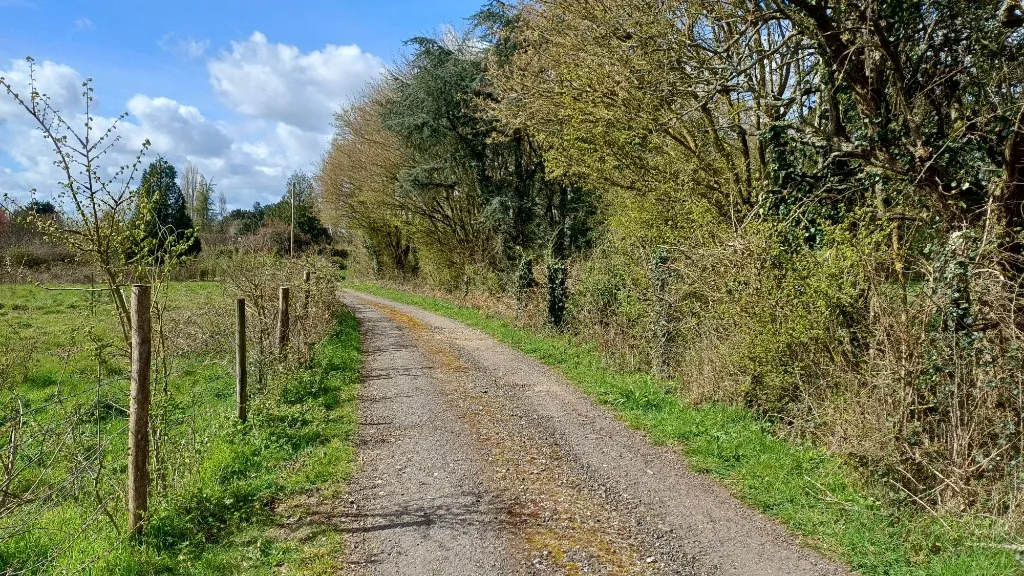

Housebuilders in parts of the borough draining to the Test and Itchen can buy nitrogen credits from an old pig farm near Romsey, after a 6 October Cabinet vote.
New homes in parts of Basingstoke and Deane will be able to offset their river pollution with credits from a former pig farm about 30 miles away. The council’s Cabinet agreed on 6 October to join a nutrient scheme at Woodington, near Wellow in Test Valley.
Farming on the site has stopped, and the drop in nutrient run-off from the land has created 1,342 nitrogen credits. Developers whose homes drain to the River Test or River Itchen can buy them to prove their scheme will not add to pollution.
The decision was published on 7 October. Councillors have until 14 October to call it in, and it takes effect on 15 October if nobody does (decision record).
Why homes need credits at all
Wastewater from new homes carries nitrogen and phosphorus. In the Test and Itchen catchments that water ends up in the River Itchen and the Solent, both protected wildlife sites. Under the Habitats Regulations the council cannot grant permission for new homes there unless the development is “nutrient neutral”.
Developers usually achieve that by buying credits from a scheme that cuts pollution somewhere else, according to the Cabinet report. It applies to anything with overnight stays, including tourist accommodation.
The report lists these wards as affected:
- Evingar
- Whitchurch, Overton and Laverstoke
- Oakley and the Candovers
- Tadley North, Kingsclere and Baughurst
- Winklebury and Manydown
- Basing and Upton Grey
- Hatch Warren and Beggarwood
- Sherborne St John and Rooksdown
Only the parts of those wards whose wastewater reaches the Test or Itchen are covered. The report’s own map marks the eligible area.
The shortfall the council is trying to head off
Developers in the borough can still buy credits today. But the report says the current supply does not give five years’ certainty. Across the Test and Itchen catchment it projects a shortfall of 3,538 nitrogen credits by 2028/29 if other schemes under discussion do not come forward.
The council’s own scheme is small. Upgrades to three council-owned sewage works at Dummer and Preston Candover will yield 147 credits, and those are shared with five other councils. No other mitigation scheme inside the borough is being progressed, the report says.
Officers compared three schemes the council could join:
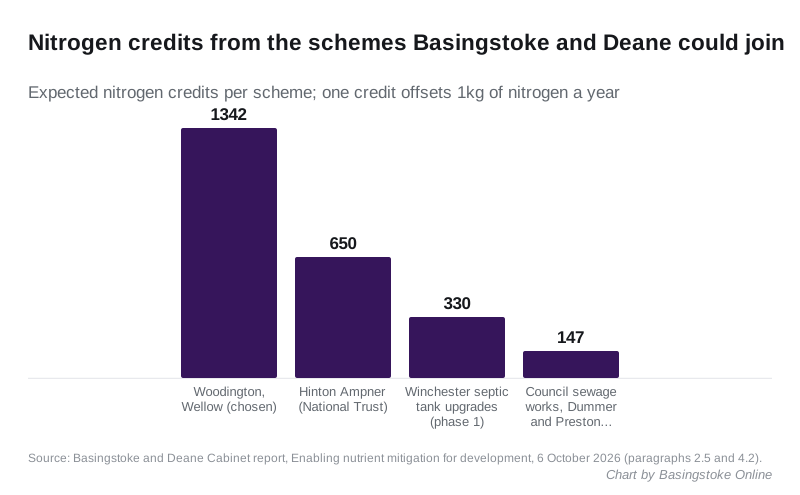
Woodington was picked because it offers the most credits. Hinton Ampner would return 27 hectares of farmland to nature reserve, and the Winchester scheme replaces old household septic tanks.
What happens at Woodington
The land was bought by Test Valley Borough Council for the Solent Mitigation Partnership, using government money from the Local Nutrient Mitigation Fund. The partnership’s July update describes it as 44.5 hectares on the banks of the River Blackwater.
About 34 hectares will become a country park, used as greenspace to draw walkers away from the New Forest. The update says it will get new walking routes, tree planting and habitat work, and about 50 biodiversity units will be created too.
Basingstoke and Deane is one of seven councils signed up to the scheme. The others are East Hampshire, New Forest District, the New Forest National Park Authority, Southampton, Test Valley and Winchester. The credits are shared between them, so not all 1,342 are reserved for this borough.
What it costs, and who carries the risk
The partnership’s default price is £3,250 per credit, each credit offsetting 1kg of nitrogen a year (pricing report). That report admits its first site, at Stubbington near Fareham, sold slowly at that price. Private providers were offering nitrogen credits for around £2,500.
So Cabinet also agreed a change to the councils’ joint agreement. It removes the rule that kept public credits from undercutting private ones, and lets each scheme set its own price. The change only takes effect if every signatory agrees.
The report says there are no immediate costs to the council. Joining does carry a share of any future liabilities, and the agreement puts no cap on them. A £450,000 sinking fund, paid from the government grant, is the first line of cover. Officers judged the risk low, because the country park’s running costs are mainly met from greenspace payments that developers make under their own legal agreements.
What it means for you
- If you are building or extending to add a home in one of the wards above, you may need nutrient credits before you get permission. Once the decision takes effect, on 15 October unless it is called in, Woodington becomes one more place to buy them.
- If you are waiting on a housing scheme in the affected area, a reliable credit supply removes one reason for delay. It does not decide whether a scheme is approved.
- The rules are changing. The Planning and Infrastructure Act 2025 brings in a Nature Restoration Fund levy that developers will be able to pay instead. The report expects that to start for the River Itchen in 2027, with the Solent after.
Planning decisions in the borough are also changing on 31 October, when fewer applications go to committee: see our report on the national scheme of delegation. The council has also just restarted work on its new Local Plan, and our planning news page tracks the big applications.
Have your say